
The Evolution of Allure
Halloween has always been a night for the bold. Once a solemn ritual to ward off the undead, it has morphed into a high-octane celebration of fantasy and the "sexy" costume-a phenomenon that has reimagined everything from high-stakes politics to fast-food sandwiches as skimpy, form-fitting couture. Today, "sexy" is the season’s most lucrative search term, with classics like the nurse, witch, and teacher topping the charts. As the 2004 cult classic Mean Girls famously declared, it is the one night of the year when social rules are suspended in favor of radical self-expression. The move toward the provocative didn't just happen overnight. Pop culture and shifting social norms pushed us here, step by step. Some people say these costumes ruin the spooky vibe, but for others, it's about taking control. Still, I must ask: when did we decide that garter belts were scarier than ghosts? To figure it out, we need to look at how Halloween style has changed over the years.
From Masquerade to Vamping: The Early Years
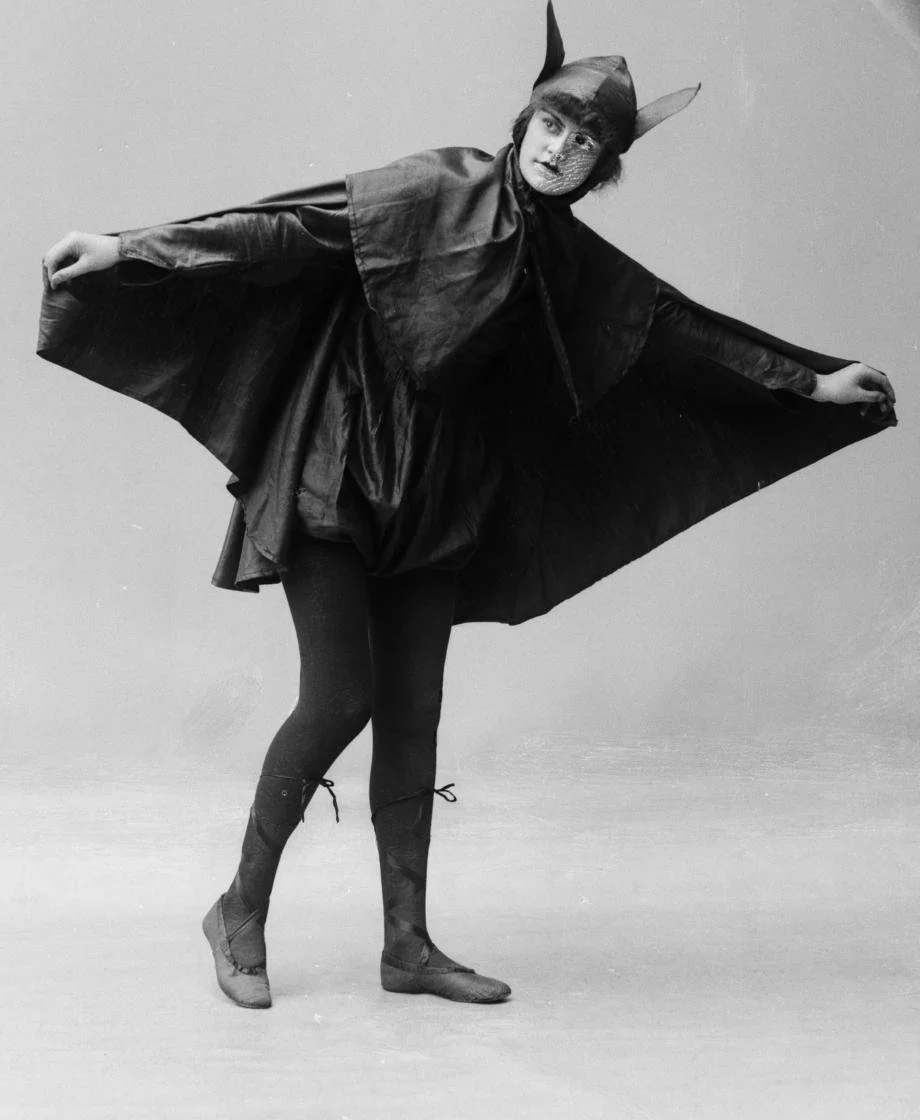
Victorian Bat Costume
Image: Canterbury Museum
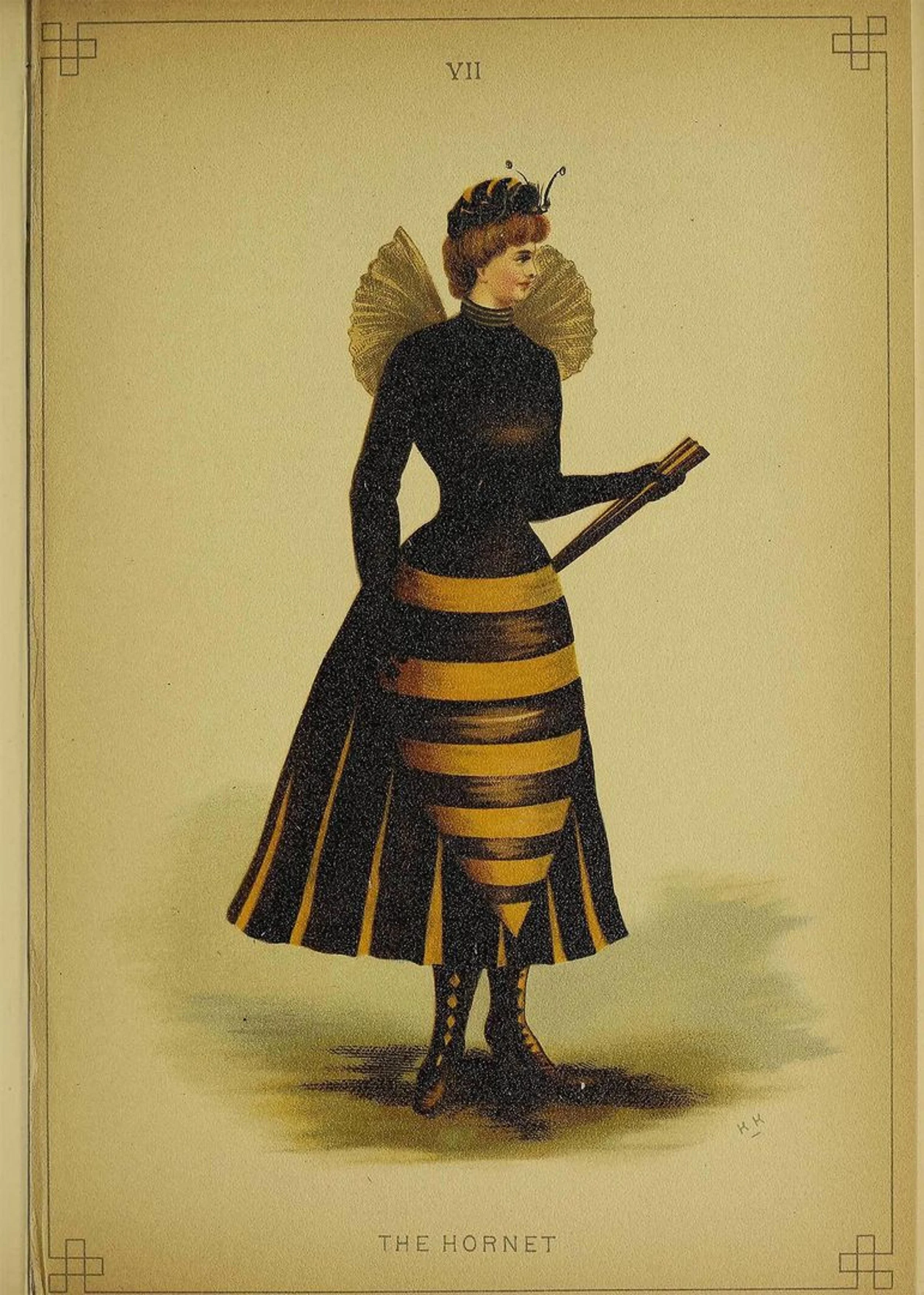
The roots of Halloween costuming are ancient, stretching back 2,000 years to the Celtic festival of Samhain. At the time, "allure" meant surviving the night; participants wore animal heads and skins to hide from roaming spirits. These early disguises were purely functional, designed for protection rather than seduction. As the holiday merged with Christian traditions, it became a time for mischief and obscured identities. By the time Halloween crossed the Atlantic with Irish and Scottish immigrants in the mid-1800s, the mood had shifted. Victorian Americans saw Halloween as a chance to break free from strict social rules. Women put on "exotic" costumes-Egyptian princesses, bats, anything that let them step outside the lines for a night. These outfits weren't revealing by today's standards, but they marked the first time Halloween became a way for women to show themselves off, even if only a little. By the 1920s, the commercial machine began to churn, with companies like J. Halpern Co. selling mass-produced paper smocks that turned wearers into cats or cauldrons-tame, but the seeds of the modern industry were planted.
Victorian Bumblebee Costume
Image: The MET
Hollywood Pin-Ups and the Mid-Century Shift
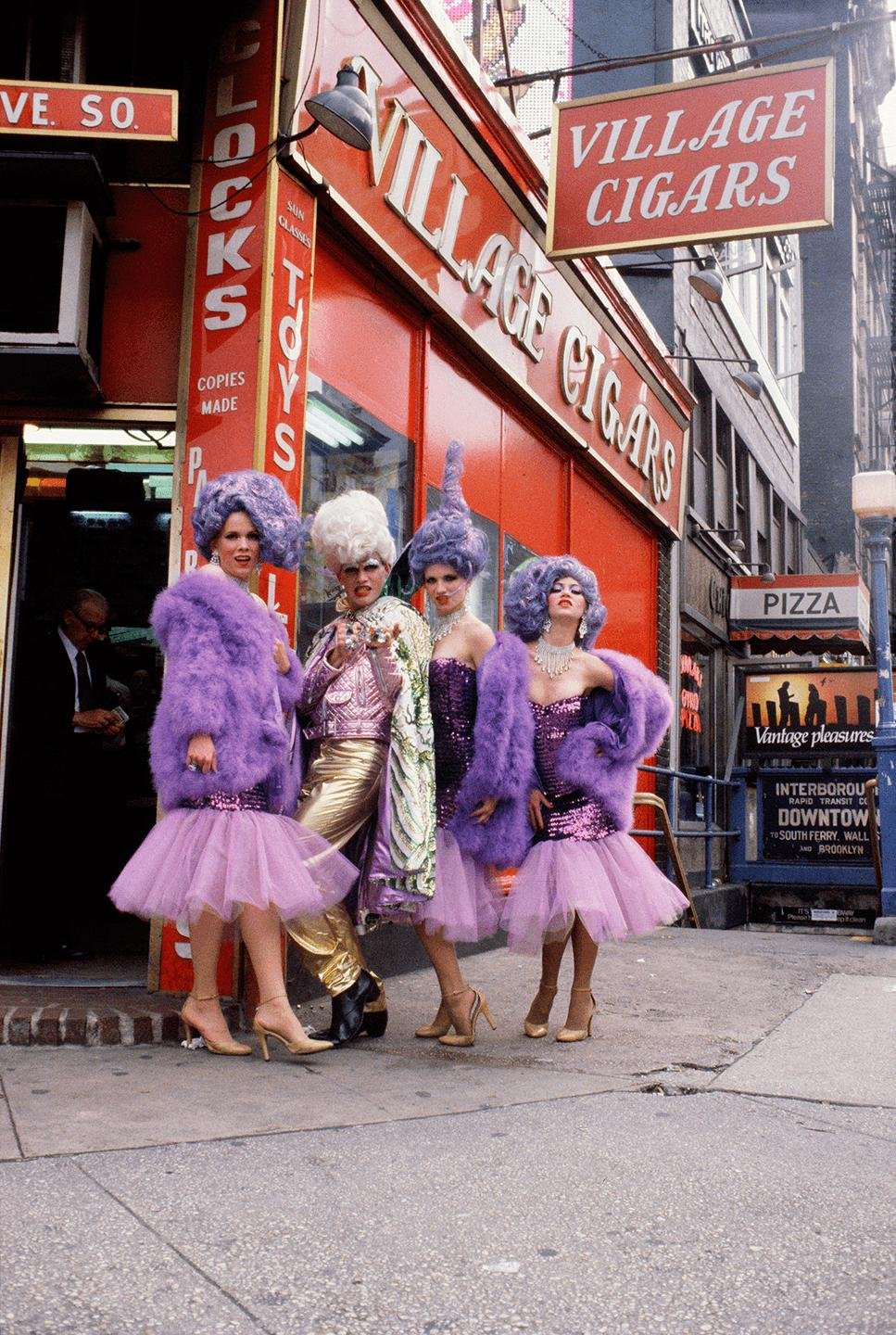
Drag Performers in the Greenwich Village Halloween Parade, NYC, 1970s
Image: Vanity Fair
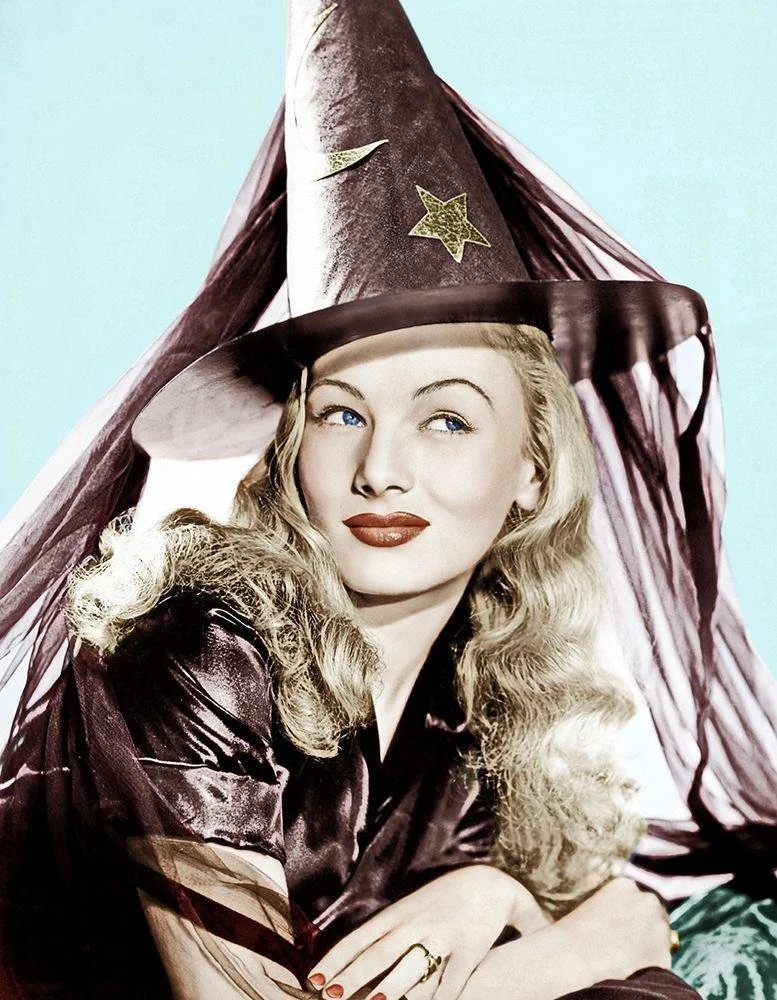
The real turn toward the provocative occurred in the mid-twentieth century, driven by the Hollywood studio system’s hunger for publicity. In the 1940s, studios began posing starlets like Veronica Lake in "skimpy" witch or cat costumes for seasonal promotional shots. These images successfully tethered the holiday to a burgeoning sense of glamour and sex appeal. While the 1950s focused on child-friendly, licensed characters like Snow White and Superman-think screen-printed plastic bibs and brittle masks-the 1960s and 70s brought the sexual revolution crashing into the mainstream. As second-wave feminism redefined women’s relationship with their bodies, the "sexy" costume found its true creative engine: the gay liberation movement. Gay Halloween parades in San Francisco’s Castro District and New York’s Greenwich Village were safe havens for outrageous, daring ensembles that valued transgression over tradition. As bars and clubs realized the profit potential of adult-oriented "bashes," this provocative spirit spread into the heterosexual mainstream, permanently adult-ifying the holiday.
I Married a Witch Film Poster: Hollywood Halloween
Image: Posterazzi
Liberation and Pop Culture: The 1970s and 80s
By the late 1970s, the demand for ready-made adult costumes exploded as more women entered the workforce and had less time for DIY sewing. Manufacturers quickly filled the void with male-fantasy archetypes, cementing the "French Maid" and "Sexy Nurse" as retail staples. The 1980s brought in a new kind of Halloween: darker, riskier, and a little bit dangerous, thanks to slasher movies. And then there was Elvira-probably the most iconic "sexy" Halloween figure ever. In 1986, Cassandra Peterson’s Elvira starred in a massively successful Coors Light campaign. By using a "sexy lady" to sell beer via life-sized cardboard cutouts in liquor stores, the campaign effectively transformed Halloween into an adult beer-drinking holiday. This era bridged the gap between the macabre and the overtly sexual, setting the stage for the hyper-commercialized explosion to follow. After that, things only got more commercial and over-the-top.
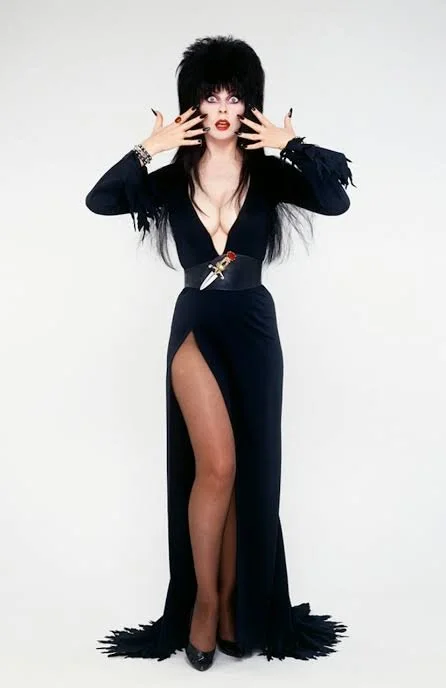
Elvira: Queen of Halloween
Image: W Magazine
The "Sexy" Explosion: 90s to 2000s
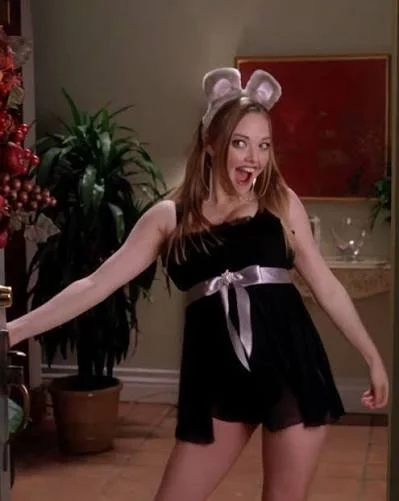
“I’m a Mouse, Duh!” - Mean Girls
The 1990s and early 2000s were the era of the "Playboy aesthetic" and the Y2K trend. Popular cinema played a pivotal role in normalizing the "sexy" costume as a cultural rite of passage. Films like Legally Blonde and Jennifer’s Body showcased the allure of the schoolgirl uniform and animal ears, but Mean Girls provided the definitive cultural shorthand. The "I’m a mouse, duh!" line became the anthem of a generation that viewed Halloween as a finite window of social amnesty. The commercial figures from this era are staggering. By the mid-2000s, "sexy" iterations reportedly accounted for approximately 95% of the adult female costume market. Retailers figured out they could turn anything literally into a "sexy" costume-news scandals, memes, whatever was trending. Apparently, nothing is too weird or too random to become a crop top and a mini-skirt.
Meme Culture and Viral Trends
In the modern era, Halloween has moved from the silver screen to the smartphone screen. Meme culture and internet trends now dictate what’s "hot." Viral news stories are transformed into "sexy" outfits within days, catering to an audience that values irony as much as allure. However, the "poised and polished" Instagram aesthetic is increasingly being challenged by a desire for authenticity and satire. This has led to a rise in "lazy" or clever costumes that prioritize a good joke over high-maintenance sex appeal. Now, thanks to the internet, Halloween trends move faster than ever. Blink, and you'll miss the next big thing.
Empowerment, Appropriation, and Inclusivity
The ubiquity of sexualized costumes has sparked a necessary, if difficult, conversation. Critics point to sociological studies showing that gendering starts in the toddler aisle, with girls' options limited to beauty-centric themes while boys are sold on strength and power. The #MeToo movement also prompted a shift, with some experts noting a return to "classic" or cleverer costumes that focus on agency rather than aesthetics. Beyond the binary of "sexy vs. scary," the industry faces a reckoning over cultural appropriation. Costumes that fetishize racial and ethnic stereotypes-such as "Pocahottie"-are now widely recognized as problematic and offensive. Modern experts stress that while being "sexy" is a valid choice, it should never come at the expense of another culture’s dignity or the sexualization of children’s media. On a brighter note, the definition of "sexy" is expanding. The body-positive movement and the rise of DIY culture have made the holiday more inclusive than ever. Inclusivity in sizing and the continued influence of the queer community’s gender-fluid costuming are pushing boundaries, shifting the focus from "looking like a sex doll" to feeling empowered in one’s own skin.
Conclusion: The Future of Halloween Fashion
The history of the "sexy" Halloween costume is a complex tapestry of cultural rebellion, commercial savvy, and personal expression. From Samhain’s protective furs to the subversive parades of the 1970s, the holiday has always reflected the zeitgeist. Looking ahead, sustainability matters more than ever. People are finally calling out the waste from cheap, plastic costumes, and more are turning to thrifting and upcycling. The "sexy cat" probably isn't going anywhere, but what we find alluring is definitely changing. Whether you go for a meme, a power suit, or something you found at a thrift store, Halloween is still about transformation. It's a mirror-sometimes a messy one-of who we are right now. Even on a night full of ghosts, the real reveal is always ourselves.
References:
https://time.com/3547024/sexy-halloween-costumes-history/
https://www.fastcompany.com/1665320/slutty-halloween-costumes-a-cultural-history
https://voicesofwinchester.org/1832/spotlight/history-of-halloween-costumes/
https://childrenstheatre.org/2023/10/26/a-history-of-the-halloween-costume/