
It’s been about 4 months since 424 ruffled feathers in the industry after allowing Braden Peters, a.k.a. Clavicular, to open their SS27 show in June. The L.A. based brand is known for blending streetwear and avant-garde luxury, whose work has become well-known within the space. According to the brand’s website, “424 has been endorsed by celebrities like Kanye West and has been featured in major publications, cementing its status in the fashion industry” (fourtwofour.com).
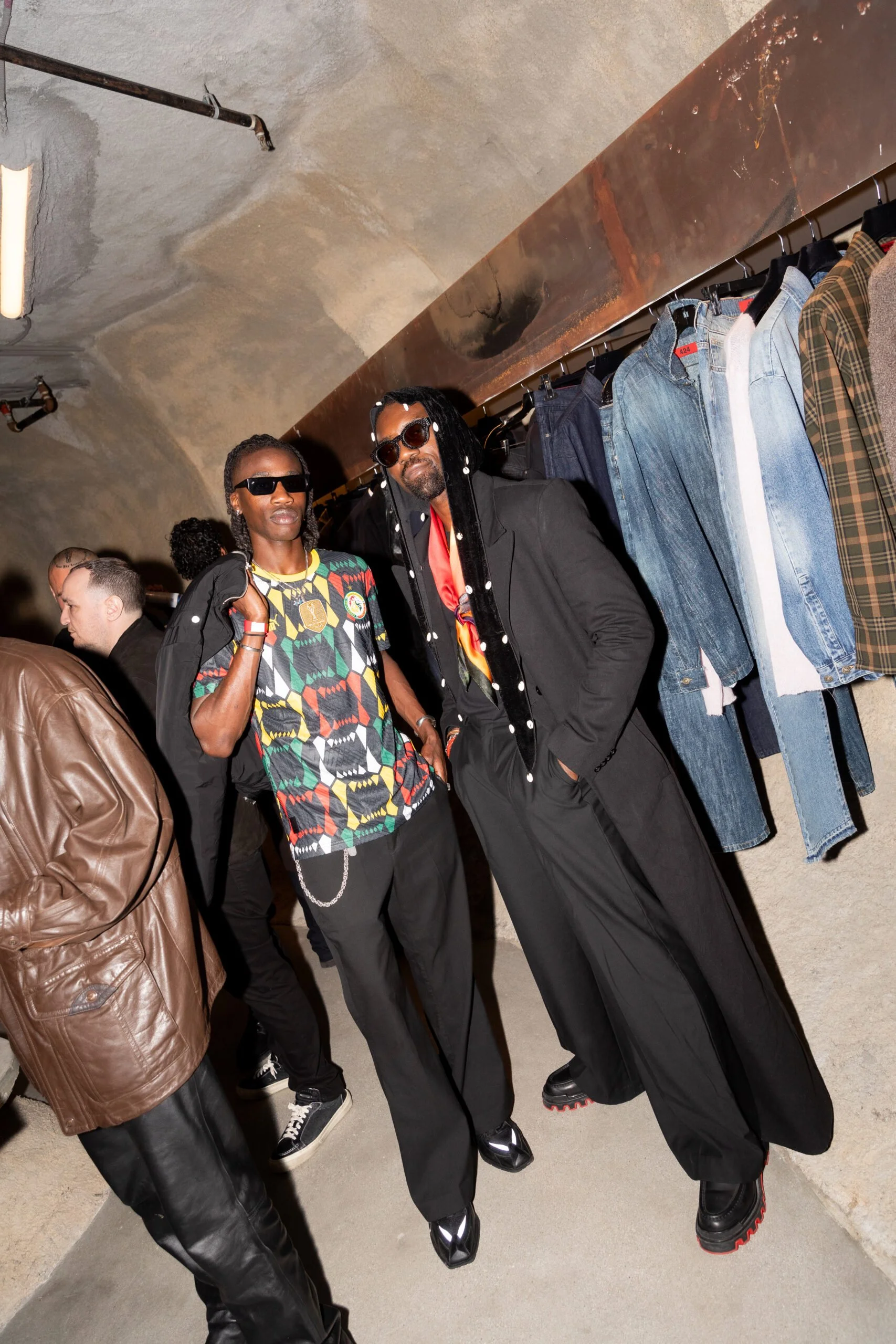
Kanye West makes an appearance at 424’s Melrose Pop-up in 2024
Image: Loop Magazine
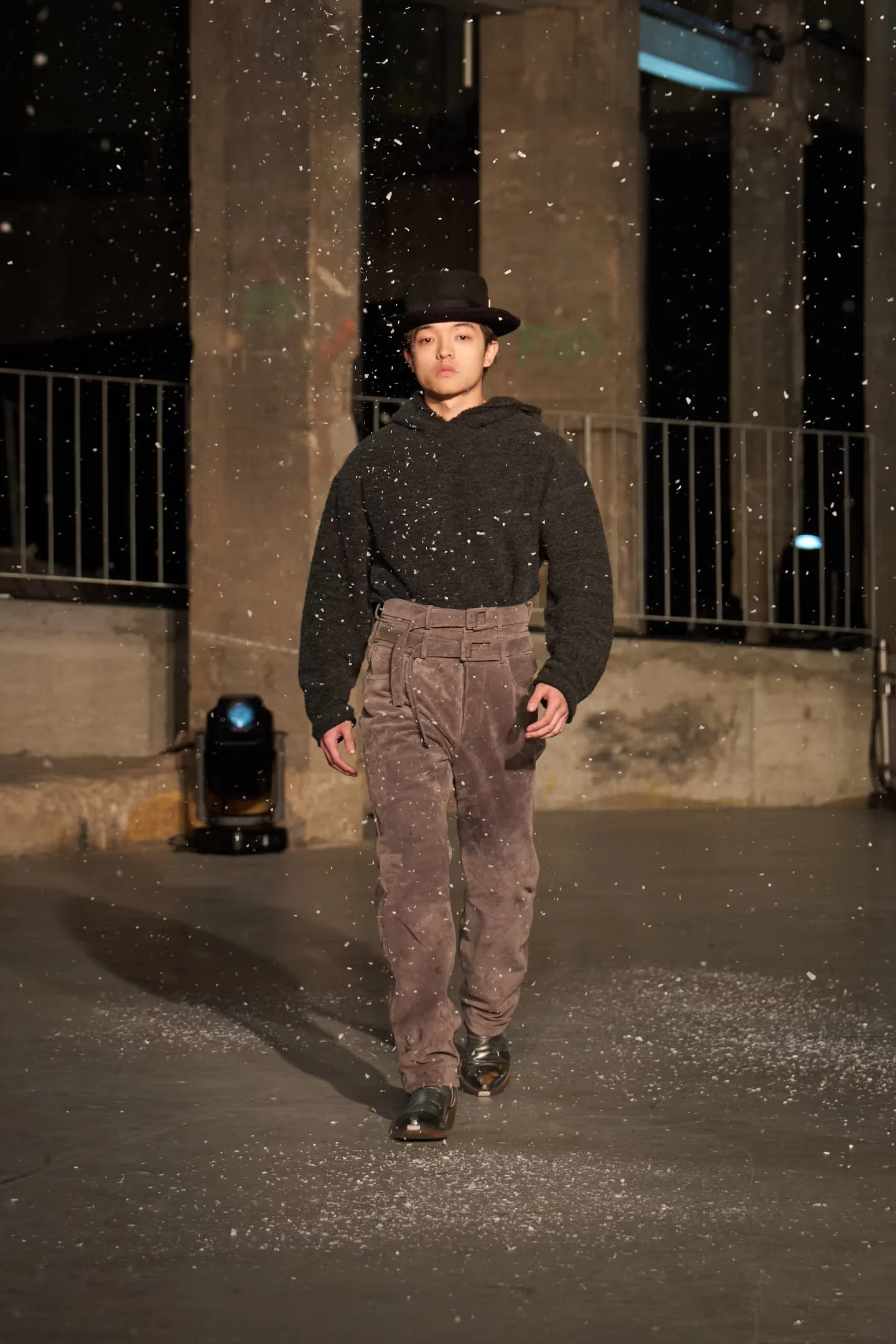
JasontheWeen walks in 424’s Fall/Winter 2026 show
Image: HypeBeast
Founded by Guillermo Andrade in 2015, 424 was born out of a retail shop on Fairfax Avenue that specialized in “curated clothing from emerging designers, art pieces, skate-inspired accessories, and community events and cultural storytelling” (Fuki Streetwear). Since its inception, it has been a brand that focuses on community and the culture around it, which explains the brand's tendency to source atypical models. For example, in 2025, they received minor backlash for letting streamers such as Jason Thanh Nguyen, a.k.a. JasontheWeen, walk in their shows despite knowing virtually nothing about fashion. The brand has a history of unconventional models, but the recurring theme of sourcing community-known people rather than a more elite class of models has always been executed with the mindful purpose of representing the community that helped establish them as a brand.
This past June, 424 took the antic too far when they had the infamous looksmaxxing streamer, Clavicular, not only walk, but open their Spring/Summer 27 show in Paris. As soon as he walked out, the controversy was taken to the internet. “French fashion commentator Lyas immediately posted from the front row, holding his middle finger up to Clavicular in a video on his Instagram. The caption read, ‘Misogynist, homophobic and racist Clavicular walks @424inc’” (Dazed Digital).
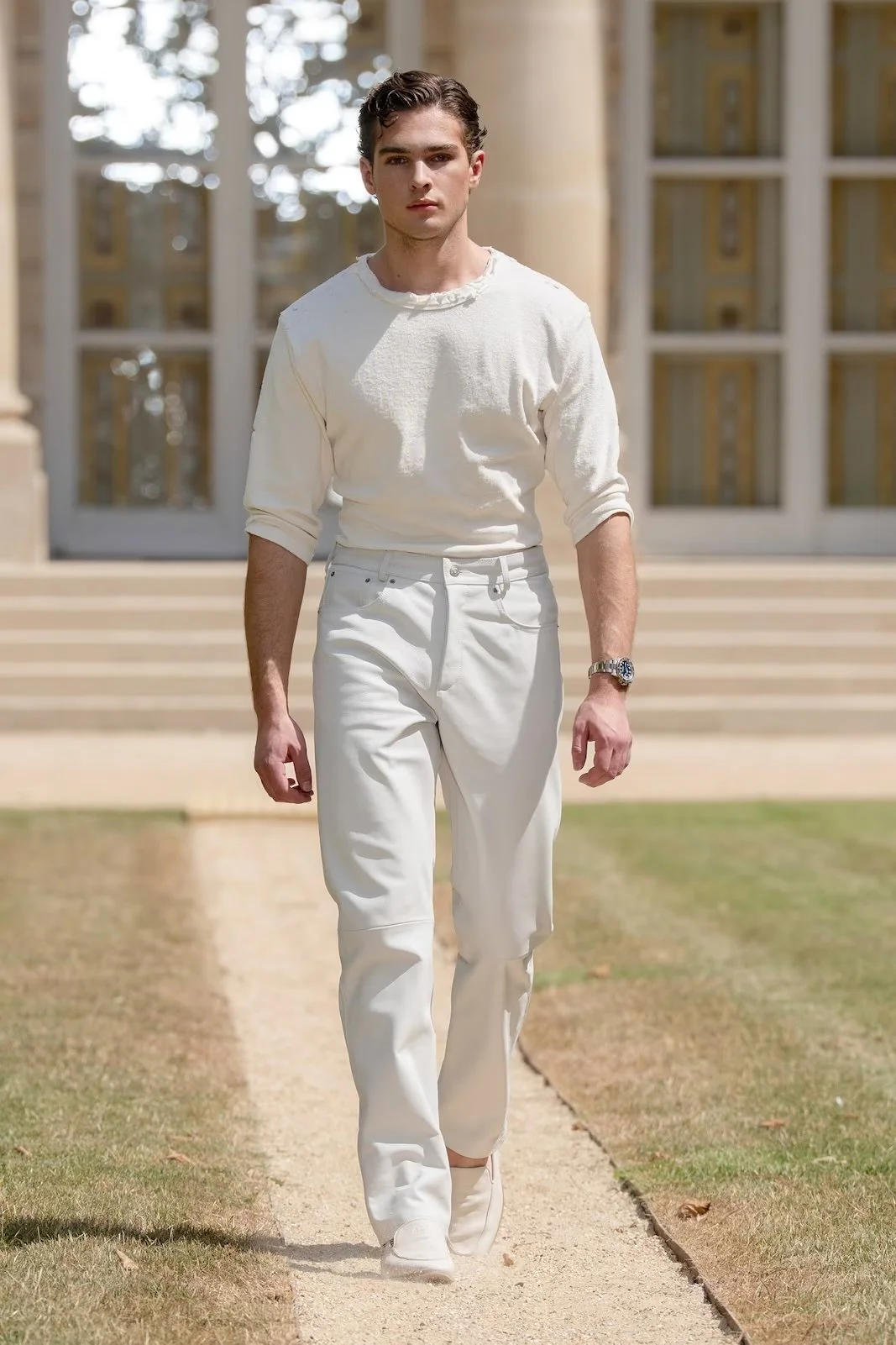
Image: Dazed Digital
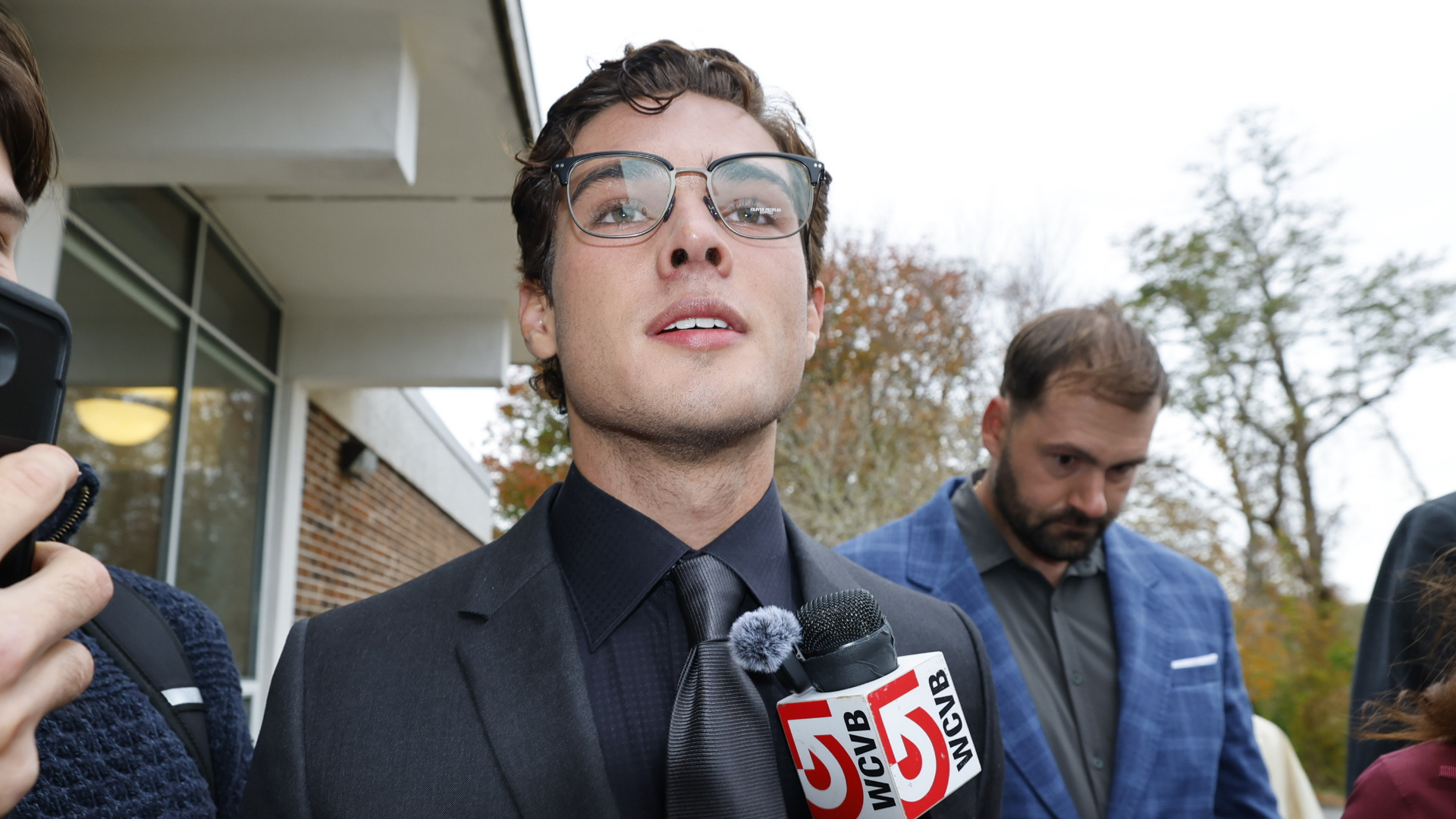
Image: ABC 7
Controversial is a mild word when describing the 20-year-old streamer and content creator. He has built his platform on the unhealthy ideology and methods of looksmaxxing, an internet-born phenomenon that emphasizes the importance of appearance. Aspects of looksmaxxing include labeling others as certain tiers of value based on their physical appearance, as well as harsh methods of improving one’s looks, which include surgery and breaking one’s facial bones; he is known for promoting these procedures to insecure males, many of whom are children. Aside from his controversial platform, he was also charged with raping a 17-year-old girl in May 2025. In the case, he was accused of giving the underage girl alcohol until she was drunk and then sexually assaulting her. Peters pleaded not guilty and accepted a $10,000 bail. “The woman also described the alleged assault in a lawsuit she filed in Florida in April. In that lawsuit, she also accused Peters of injecting her with a fat-dissolving substance during a livestream without her consent” (abc7). “Earlier this year, he was charged with misdemeanor battery in Florida after police said he provoked a fight between two women and then posted a video of it online. That charge was later dropped. In a separate Florida case this year, he was sentenced to probation after pleading no contest to a charge that he fired a gun in public” (abc7). If that wasn’t enough to cause 424 to think twice about him representing their brand, he is also a known misogynist and racist, both of which directly conflict with the identities of the brand’s established community.
The conversation quickly pivoted to questioning 424’s message behind this antic. It was initially read as a critique of the fashion industry’s obsession with vanity, but as Dazed Digital said, “when he’s presented uncritically as a face on the catwalk, this commentary falls flat.” Realistically, it is just another example of modern businesses relying on ragebait or other “thumb-stopping moments” (Dazed Digital) to promote their products in the intense battle for the consumer’s attention. Crafting well-made and fashion-forward pieces isn’t enough anymore. If a brand wants to guarantee noise in the industry, the temptation to rely on less noble methods like these is ever-present among designers and creative directors.
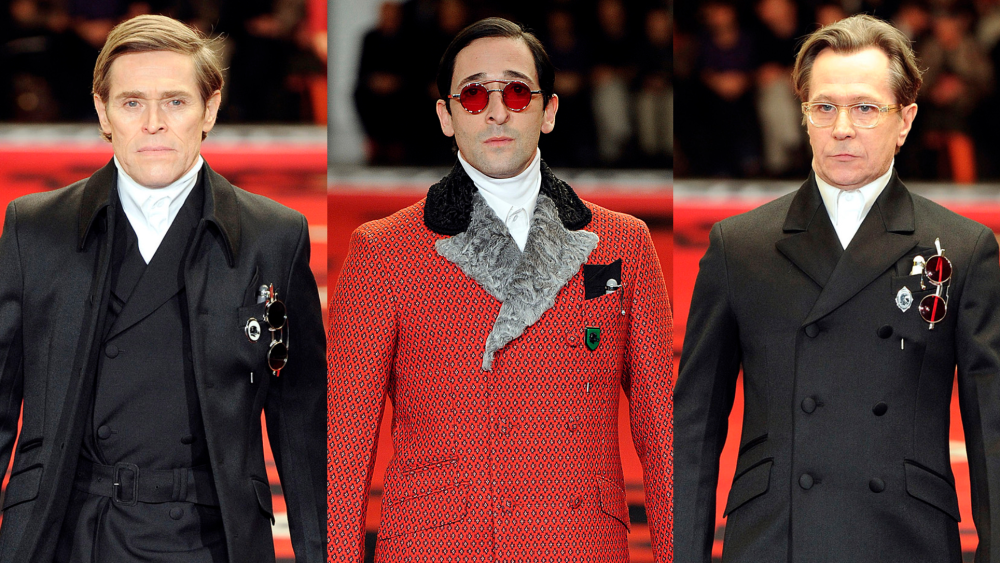
Image: WWD
However, runways have long used elements beyond the designs themselves. Intentionally designed or chosen sets, music, and overall atmosphere have become inseparable from the idea of a runway. Even performance art has been used to gain the attention of the public eye, such as Alexander McQueen's SS99 No. 13 finale, where two robot arms spray-painted a white dress. But instead of being controversial, it was seen as tasteful, adding to the show rather than compensating for it. Most similar to 424’s use of celebrities outside the fashion world is when Prada’s Fall/Winter 2012 collection, widely known as the ‘Villains Runway,’ had replaced traditional runway models with famous Hollywood actors known for playing villains who walked in their runway; the likes of whom included Willem Dafoe, Adrien Brody, and Gary Oldman. Again, however, this stunt was seen as tasteful and eye-catching rather than just the latter. So the problem lies not in a brand’s use of celebrities for publicity, nor in using performance art and atmosphere to promote its clothes; rather, the problem with this stunt is a betrayal of its community.
There are two real issues seen in Paris this summer: when a brand does something that accomplishes nothing besides the goal of captivating the average consumer instead of the community it claims to represent, and the promotion of an accused rapist, known racist, homophobe, and misogynist. The people 424 has historically made clothes for, and the same people who have supported the brand through its growth, do not need ragebait or other short-form antics that appeal to the short attention span of the average TikTok user, who seems to be the new target audience of the brand. Additionally, they do not want a figure like Clavicular, whose racist and misogynistic values directly conflict with their identity, to represent a brand that they have followed and supported in the past. 424 is likely to feel the consequences of this choice, both from the backlash of the public and from the realization that the audience they are appealing to through this specific stunt is not one that they want to represent their identity as a brand.
References: